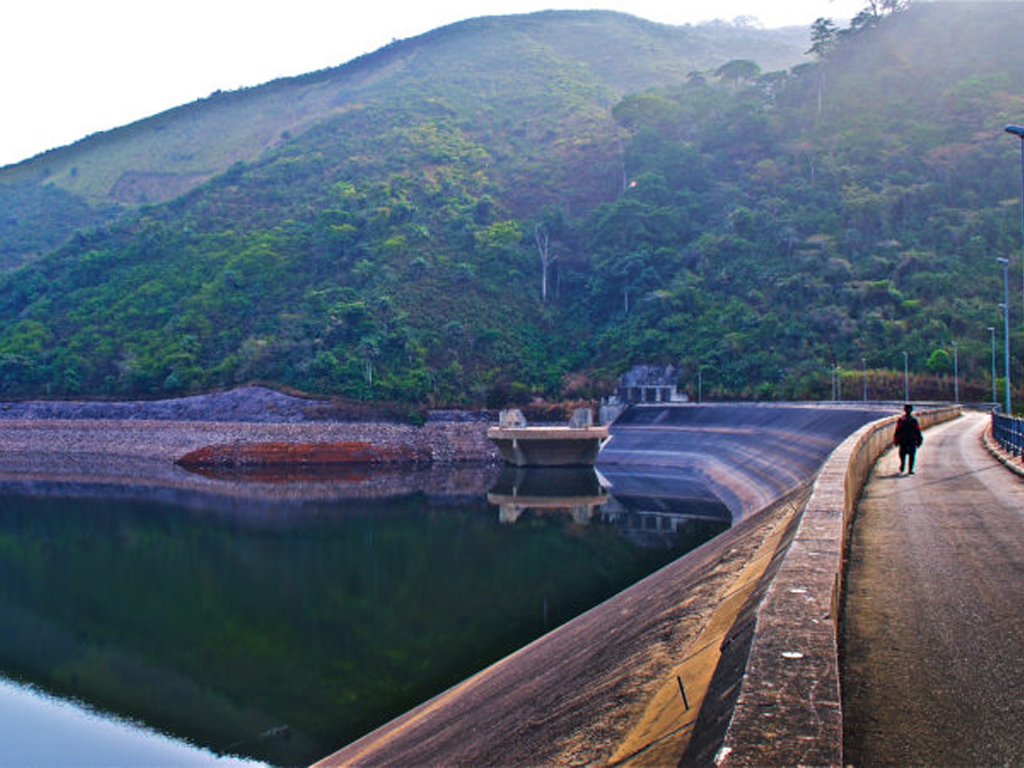
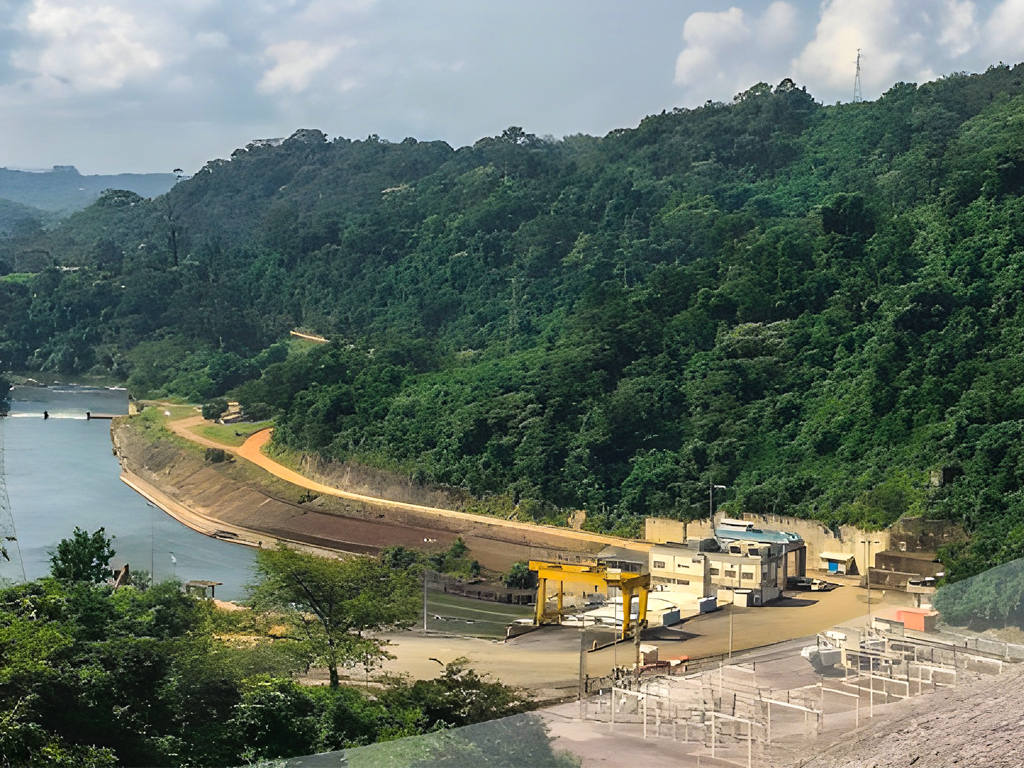
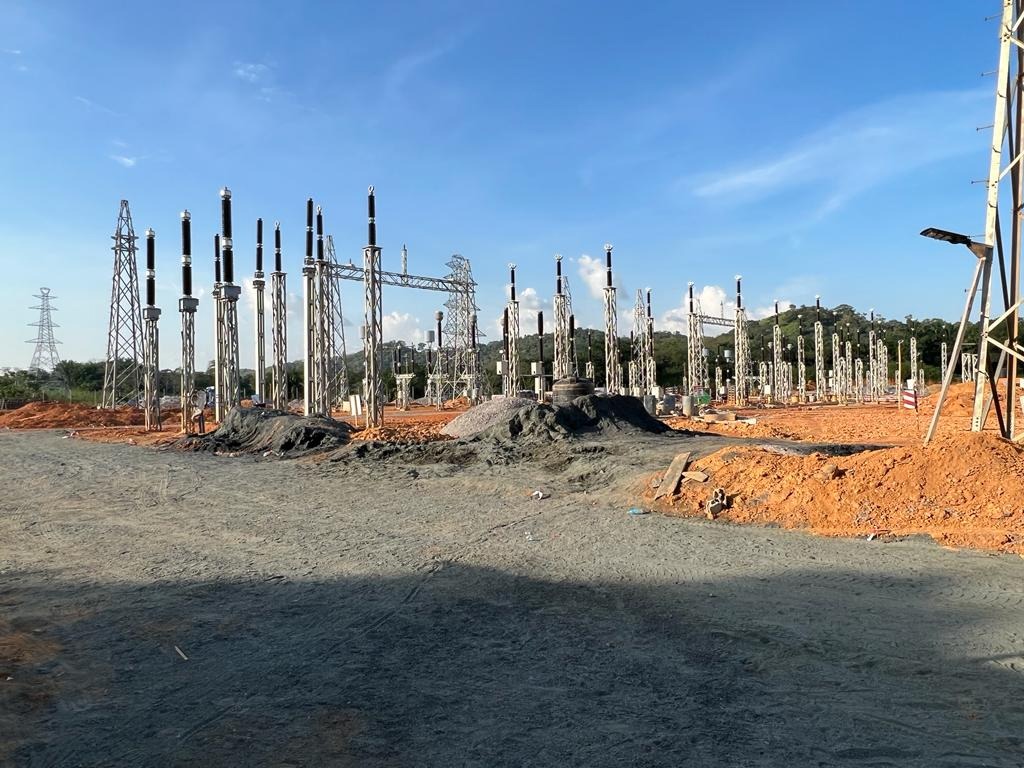
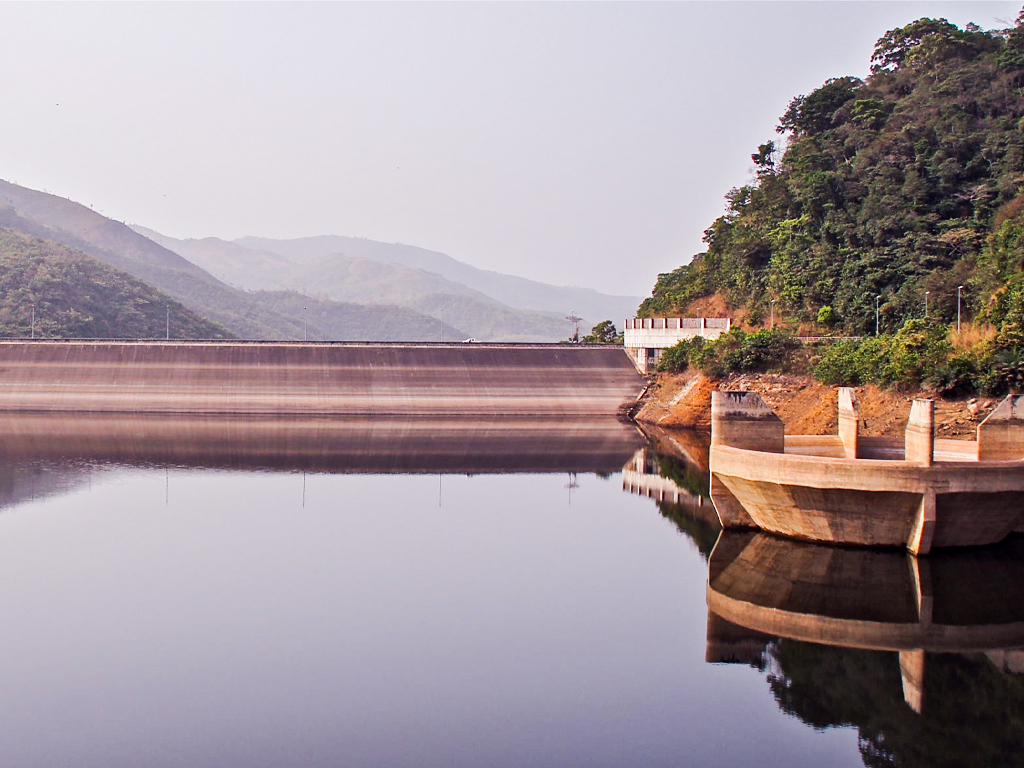
Sierra Leone’s energy transition is driven by the need to expand electricity access, which is currently only 28%, and diversify its energy mix. The regulatory environment, guided by the Electricity Act of 2011 and the National Renewable Energy Policy, is designed to foster private sector investment in renewables and boost energy generation. Hydropower plays a crucial role in the country’s energy strategy, providing about 60% of the electricity mix.
Regulatory bodies like the Electricity and Water Regulatory Commission (EWRC) and the Sierra Leone Electricity and Water Authority (SLEWRC) oversee energy development, facilitating the integration of renewable energy sources. Hydropower is viewed as a key contributor to the national goal of increasing access to affordable and sustainable energy, and it aligns with the country’s climate action plans under its Nationally Determined Contributions (NDCs). This creates a favourable context for new large-scale hydropower projects, which aim to enhance energy security and reliability while supporting Sierra Leone’s broader development agenda.