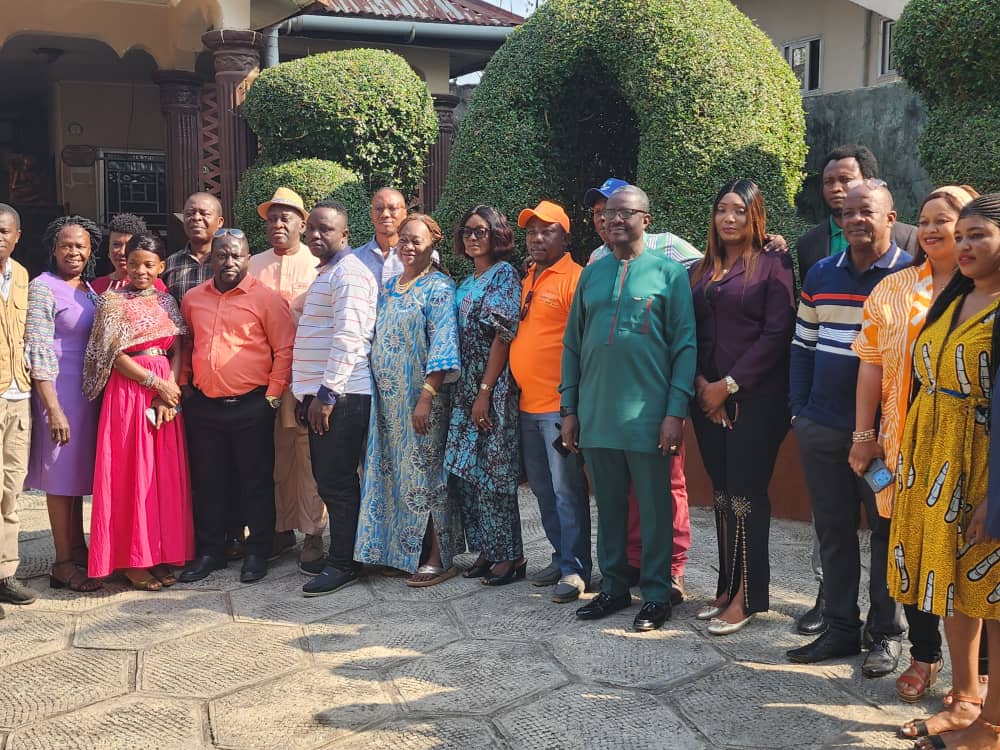
PI-CREF’s Chairman Yumkella Leads Sierra Leone Delegation to Nigeria
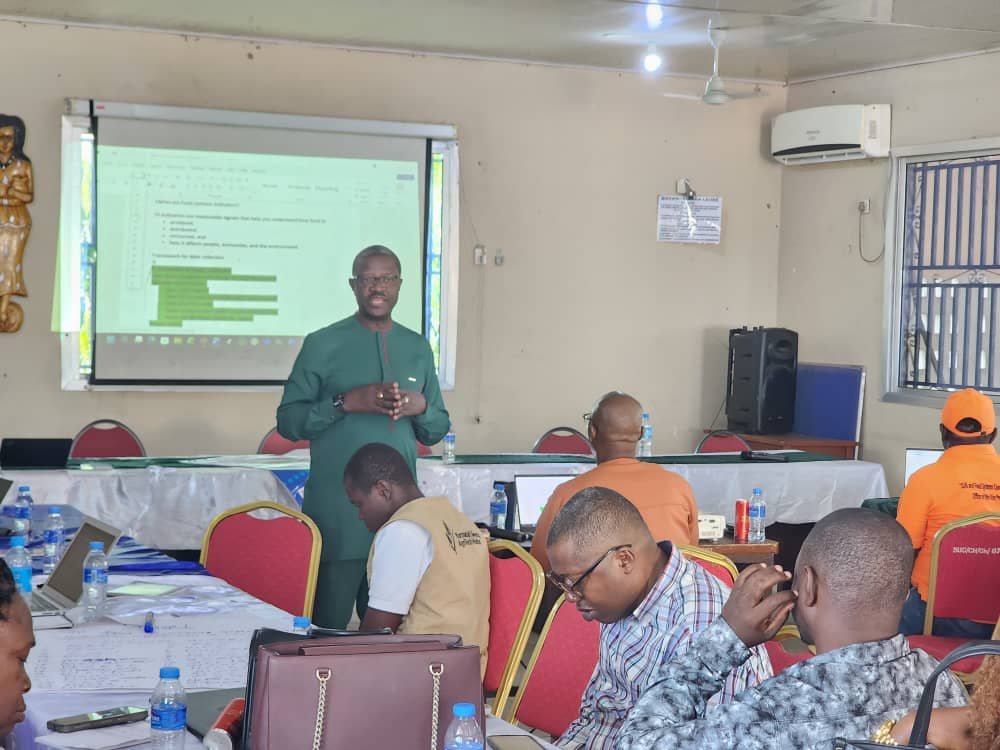
Makeni City, 26 January 2026 – Office of the Presidential Initiative on Climate Change, Renewable Energy and Food Security (PI-CREF), in collaboration with the Food and Agriculture Organization (FAO), successfully concluded a one-day regional training workshop to Strengthened Food Systems Coordination and Information Dissemination in Makeni. The workshop brought together stakeholders from the Northern, North-Western, and Western Regions to enhance collaboration and governance across Sierra Leone’s food systems.
Welcoming participants, the District Agriculture Officer for Bombali District, Mr. Lamin Mbogba, expressed appreciation for hosting the workshop and underscored its importance in generating practical outcomes to improve national food systems.
The National Coordinator of the Scaling Up Nutrition (SUN) Secretariat, Madam Neneh Bah Jalloh, highlighted the critical role of data in improving nutrition outcomes. She noted that while data gaps have long been a challenge, systems are now being strengthened to collate and share food systems data with partners. She reaffirmed SUN’s commitment to working closely with PI-CREF, FAO, and other stakeholders to enhance nutrition data and improve the well-being of all Sierra Leoneans.
Delivering the keynote address on behalf of the Chairman of PI-CREF, Hon. Dr. Kandeh Yumkella, Dr. Patrick Kormawa, Director of Food Security and Climate-Smart Agricultural Transformation at PI-CREF, thanked participants for their active engagement. He emphasized that PI-CREF was established to provide strategic leadership and coordination across climate change, renewable energy, and food security, noting that the training directly supports this mandate by fostering alignment, collaboration, and evidence-based decision-making.
Dr. Kormawa acknowledged existing challenges, including fragmented coordination, limited information sharing, and capacity gaps, which continue to constrain progress toward national food security and nutrition goals. He stressed that the workshop was not only a learning platform but also an opportunity to build partnerships, strengthen trust, and collectively drive Sierra Leone’s food systems transformation.
The workshop convened a broad range of stakeholders, including District Agriculture Officers, District Nutritionists from District Health Management Teams, agricultural nutritionists, and national-level actors involved in food systems governance. Discussions focused on strengthening inclusive and accountable food systems through improved institutional capacity, multi-sector collaboration, and effective information dissemination.
Through interactive sessions, participants shared experiences and explored existing platforms for data sharing and communication, reinforcing pathways for improved food systems governance and evidence-based action.
The Makeni workshop closed with renewed commitment from participants to work collaboratively across sectors, signaling a strong step forward in building resilient, well-coordinated, and data-driven food systems that advance food security and nutrition for all Sierra Leoneans