Presidential Initiative on Climate Change Leads Efforts to Enhance Food Resilience
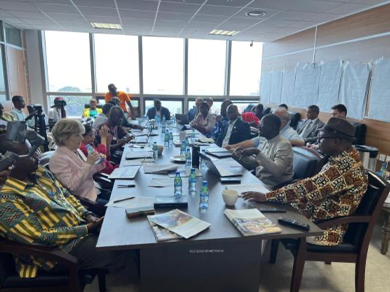
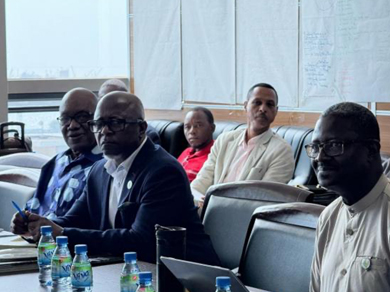
Freetown, SIERRA LEONE – The Presidential Initiative on Climate Change, Renewable Energy, and Food Security (PI-CREF) convened a gathering of experts in food nutrition and resilience on Tuesday, April 23, 2024, at the City Council New Building in Sierra Leone.
The event, attended by a diverse group of food specialists from various sectors, aimed to address pressing issues related to food systems and nutrition security in the country. Patrick Kormawa, Director of Agricultural and Food Security at PI-CREC, outlined the objectives of the engagement, emphasizing the need to review current food systems and develop actionable recommendations to mitigate food insecurity and build resilience.
Highlighting the recent warning issued by the Food and Agricultural Organization (FAO) and its partners regarding Sierra Leone’s impending food crisis, Kormawa stressed the urgent need for collaborative action. He emphasized that addressing food system challenges requires a multi-sectoral approach, with contributions from all sectors.
In support of these efforts, the Irish government has funded a major program under the Global Panel on Agriculture and Food System for Nutrition (GLOPAN). Professor Sandy Thomas, Director of the GLOPAN Secretariat, expressed optimism about collaborating with Sierra Leone and two other countries to develop sustainable and healthy diets. Under the Feed Salone initiative, Sierra Leone aims to leverage existing programs to promote healthier diets and address food security challenges. Peter Kaindaneh, Chief Adviser at PI-CREF, commended the expertise present at the gathering and urged participants to contribute their insights towards achieving tangible outcomes.
Professor Abdulai Jalloh, Chief Agriculturist at the Ministry of Agriculture, welcomed the initiative, highlighting its potential to transform food systems and improve outcomes. He emphasized the importance of ongoing government support for initiatives such as the school feeding program and the promotion of local, sustainable food consumption.
Throughout the event, presentations and discussions underscored the need for sustained government support, expansion of school feeding programs, and the promotion of healthy, locally sourced foods certified by the Standards Bureau.
As Sierra Leone navigates the challenges posed by climate change and food insecurity, the collaborative efforts of stakeholders, supported by initiatives like PI-CREF, are crucial for building resilience and ensuring food security for all citizens.